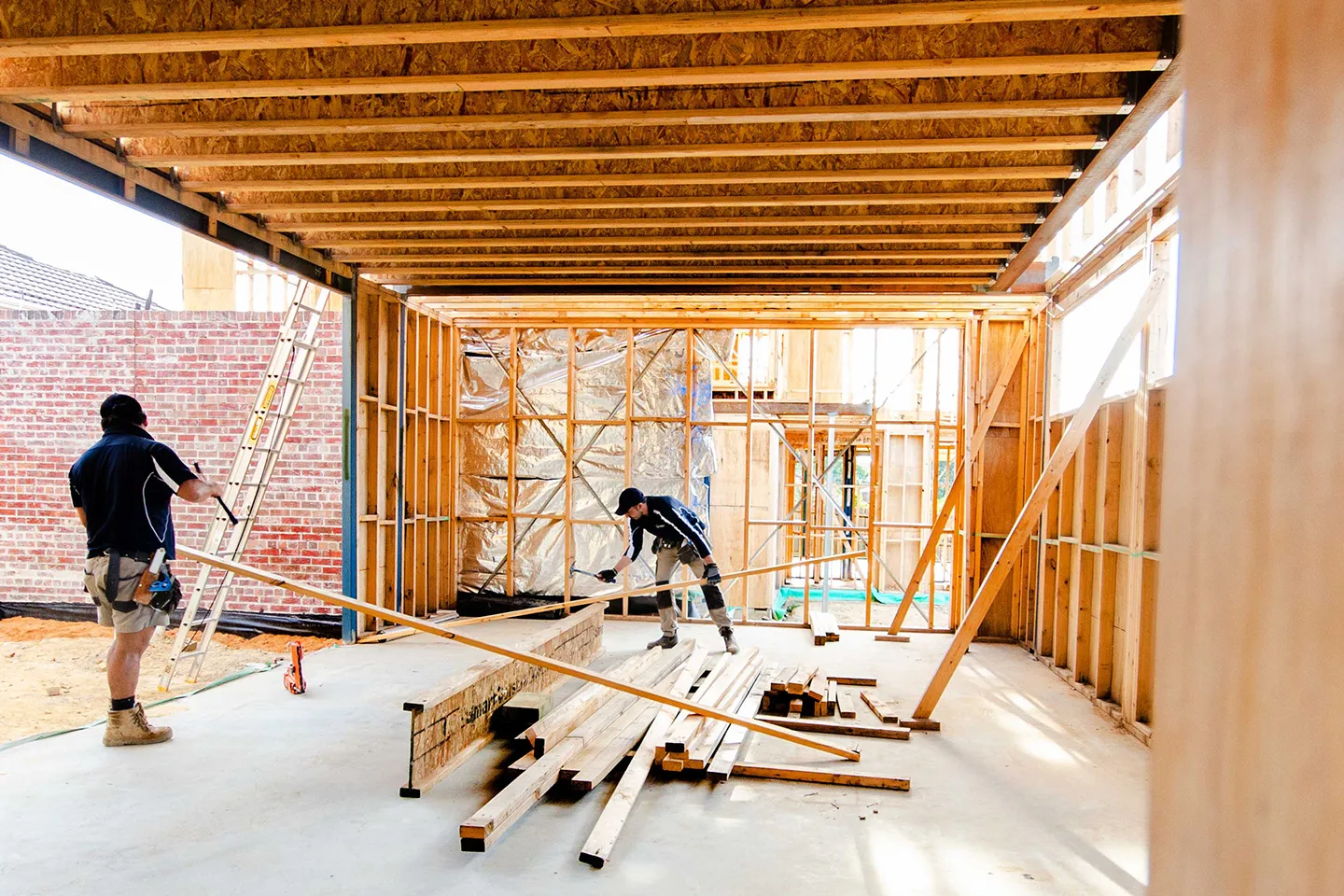
When it comes to building a home or remodeling a space, the carpentry and framing phase is where your vision begins to take shape—literally. Often called the “skeleton” of a building, framing provides the structure and support for everything that follows: walls, roofing, insulation, electrical, and more. Whether you’re starting from scratch or renovating, understanding this foundational step is crucial to a successful construction project.
What Is Carpentry and Framing?
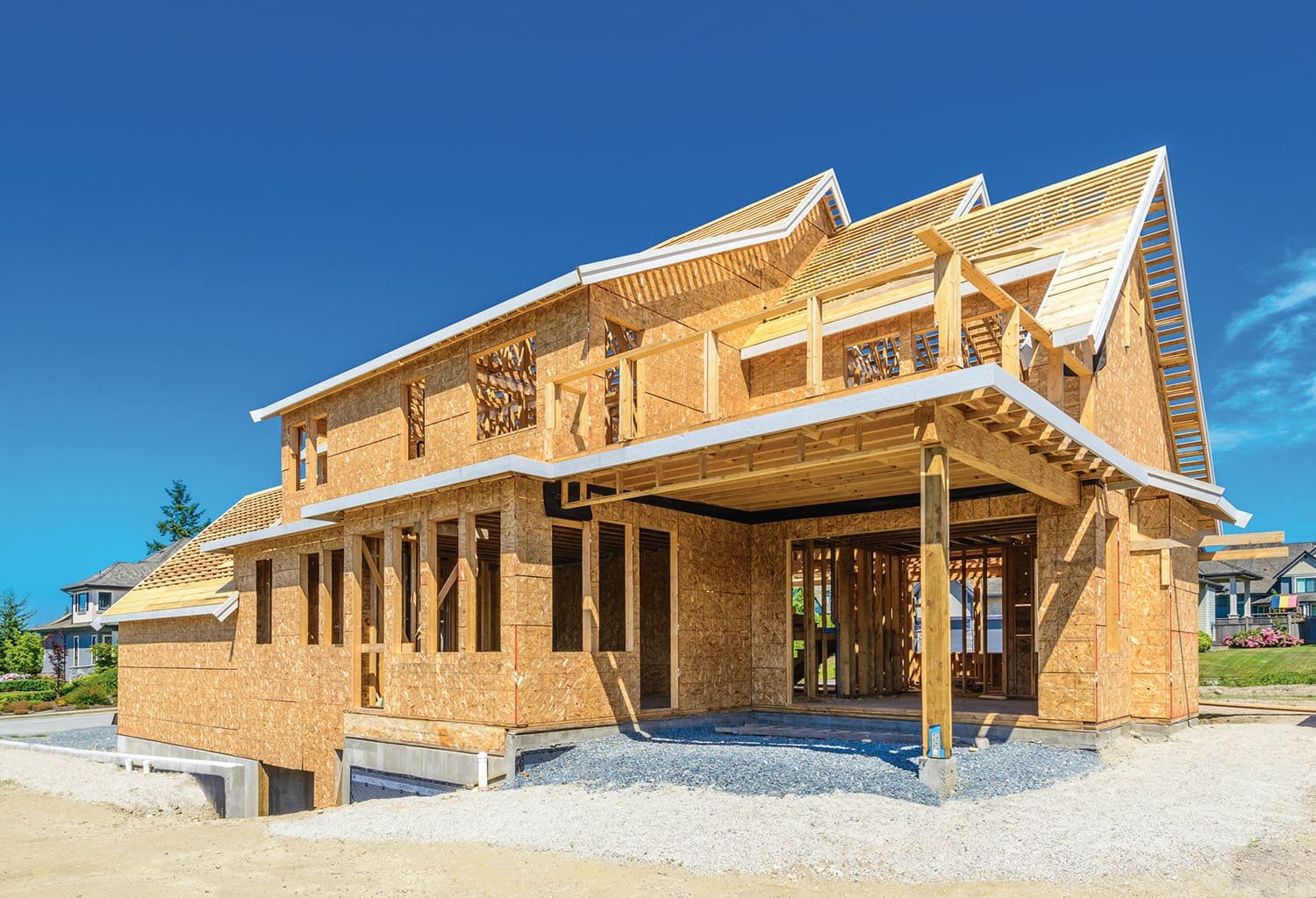
Carpentry is the skilled trade of cutting, shaping, and installing building materials, especially wood, to create structures. Framing is a specific type of carpentry that involves assembling the frame of a building, including the walls, floors, and roof.
There are three main types of framing used in construction:
- Platform framing (most common in modern homes)
- Balloon framing (older method, used in multi-story buildings)
- Timber framing (uses heavy timber, popular in rustic or historical designs)
The Role of Framing in Construction
Framing sets the layout of the entire building and determines the structural integrity of the project. A well-framed house is more resistant to environmental stressors like wind, snow, and seismic activity.
Key benefits of quality framing include:
- Strength and durability
- Energy efficiency (by minimizing air gaps)
- Design flexibility
- Accurate alignment for doors, windows, and drywall
Materials Used in Carpentry & Framing
Choosing the right materials impacts both budget and performance. Common materials include:
- Lumber (Dimensional wood) – Most frequently used for residential framing
- Engineered wood – Includes LVL beams, plywood, and OSB panels
- Metal studs – Used in commercial or fire-resistant builds
Pro tip: Always source kiln-dried, graded lumber to avoid warping and ensure long-term stability.
Framing Techniques Every Builder Should Know
- Wall Framing – Includes top and bottom plates, studs, and headers for windows/doors.
- Floor Framing – Involves joists, beams, and subflooring systems.
- Roof Framing – Can use rafters or prefabricated trusses, depending on design.
Accuracy is critical—poor measurements or cuts can compromise the entire structure.
DIY vs. Hiring a Professional Carpenter
While some homeowners consider DIY framing, it’s a task best left to professionals unless you have experience. Why?
- Precision: Structural framing requires exact measurements and techniques.
- Building Codes: Professionals ensure compliance with local codes and permits.
- Safety: Incorrect framing can lead to dangerous structural failures.
Hiring a licensed carpenter ensures peace of mind and long-term value.
Cost of Carpentry and Framing Services
On average, framing costs between $7–$16 per square foot, depending on materials and project complexity. Custom builds or multi-story homes can increase the price.
Factors that affect cost:
- Material prices (lumber vs. metal)
- Labor rates in your area
- Site accessibility and project size
- Time of year (some seasons impact labor availability)
Tips for a Successful Framing Project
- Plan ahead with detailed blueprints and measurements.
- Use quality materials from reputable suppliers.
- Communicate clearly with your carpentry contractor.
- Schedule inspections during and after framing to catch any issues early.
Final Thoughts
Carpentry and framing may not be the most glamorous phase of construction, but it’s the most essential. A strong, well-framed structure supports not just your home, but the safety and comfort of everyone who lives in it. Whether you’re building new or remodeling, investing in expert carpentry and framing services will pay off for decades to come.
Need Professional Carpentry & Framing Services?
Contact [Your Business Name] today for a free consultation. Our experienced framers and carpenters are ready to bring your project to life—with precision, quality, and care.